

Most bathroom renovations that go over budget or drag on don’t go wrong during demolition. They go wrong weeks earlier, when important decisions get skipped or made in the wrong order. A bit of planning before work starts is usually the difference between a project that runs smoothly and one full of surprises, change orders and delays.
This guide walks through the decisions worth making before your bathroom renovation begins, roughly in the order they should be made. It’s written with Greater Victoria homeowners in mind, but most of it applies wherever you live.
Planning Your Bathroom Renovation, Step by Step
Each decision below shapes the ones after it, so working through them in order saves time, money and second-guessing once the project is underway.
1. Start With How the Bathroom Needs to Work
It’s tempting to start with tile samples and vanity photos. A better starting point is a list of what isn’t working in the room you have now:
- Not enough storage, or storage in the wrong places.
- A tub nobody uses, or a tub edge that’s getting harder to step over.
- One sink for two people getting ready at the same time.
- A fan that never clears the steam.
Think about who uses the bathroom today and who will use it in five or ten years. Split your list into must-haves and nice-to-haves. That list becomes the brief for everything that follows.
Pro tip: If you plan to stay in your home long term, ask about adding blocking in the walls for future grab bars. It costs little while the walls are open and saves tearing into new tile later.
2. Decide Whether the Layout Stays or Changes
This is one of the biggest decisions in any bathroom renovation, because it affects cost, timeline and what’s possible with everything else.
- Keeping the toilet, shower or tub and vanity where they are means drains and water lines can mostly stay put.
- Moving them means opening floors and walls to reroute plumbing, which adds work and time and may affect what permits are needed.
- Replacing a rarely used tub with a walk-in shower in the same footprint is a common change that makes a bathroom feel larger and easier to use.
Decide early. Material choices, lighting and storage all depend on where the fixtures end up.
3. Set a Realistic Budget, With Room for Surprises
Set a total budget before you start choosing finishes, then keep part of it aside as a contingency. Many homeowners hold back 10 to 15 percent for things nobody can see until the old bathroom comes out.
That matters in Greater Victoria, where many homes have been standing for decades. Once the floor and walls are open, it’s not unusual to find:
- Water damage around an old tub, shower or toilet.
- A subfloor that needs repair before new tile can go down.
- Older plumbing that’s worth replacing while there’s access.
Pro tip: Put the hidden parts of the job first: waterproofing, ventilation, a solid subfloor and proper plumbing. Mirrors and light fixtures can be upgraded later. A failed shower membrane means tearing out the tile.
4. Treat Waterproofing and Ventilation as Priorities
Tile and grout are not waterproof on their own. A shower needs a properly installed waterproofing system behind and under the tile, and good ventilation keeps moisture from settling into walls and ceilings.
- Pay attention to the niche, bench, valve and floor drain, where shower leaks usually start.
- Choose a fan sized for the room and vented to the outside, not into the attic.
- With our damp coastal winters, a quiet fan that actually gets used is worth the investment.
Pro tip: Ask any contractor you speak with how they waterproof a shower. A clear, specific answer is a good sign.
5. Choose Materials Early and Have Them Ready Before Work Starts
Material selections aren’t just about looks. The size of the vanity, the type of shower valve, the depth of a niche and the size of the floor tile can all affect the layout and the order of work. Some items, like custom vanities and special-order tile or fixtures, also take time to arrive.
- Floor tile: look for a finish with good slip resistance, especially in a family bathroom.
- Large-format tile: fewer grout lines and easier cleaning, but it needs a very flat floor and careful installation.
- Vanity: measure what you actually store now. Drawers are often more useful than open cabinet space.
- Shower glass: custom glass is usually measured after tile is installed, so allow for that in the schedule.
Having everything chosen and ordered before construction begins helps avoid a half-finished bathroom waiting on one missing part.
6. Understand Permits and Licensed Trades
Many bathroom renovations involve plumbing or electrical work, such as moving a drain, adding a circuit for heated floors or relocating lighting. That work needs licensed trades and, depending on the scope, may need a permit.
- Greater Victoria is made up of several municipalities, each with its own permit office and requirements.
- What applies in one part of the region may not apply in another, so confirm early.
- Permits can affect the schedule, so build that time into your plan.
At Niko Reno, plumbing and electrical work on our renovations is done by licensed trades, and if your project needs permits, we guide you through the process.
7. Plan for the Time You’ll Be Without the Bathroom
Most bathroom renovations take a few weeks, depending on the scope, the materials and whether the layout changes. If it’s the only bathroom in the home, plan ahead for that stretch.
- Talk with your contractor about the schedule and working hours.
- Ask how dust will be contained and how they’ll access the room.
- Agree up front on how changes will be handled. Late changes are where many timelines stretch.
8. Know What to Ask Before You Hire a Contractor
A good contractor will welcome questions. Before you sign, it’s worth asking:
- What exactly is included in the quote, and what isn’t?
- How will the shower be waterproofed?
- Who does the plumbing and electrical work, and are they licensed?
- Who looks after permits, if they’re needed?
- What’s the expected timeline, and what could change it?
- How are changes to the scope priced and approved?
- Can I see photos of bathrooms you’ve renovated?
Get the answers in a detailed written proposal. Clear scope up front protects both you and the contractor.
Why Choose Niko Reno?
- We start with an in-home consultation, so recommendations are based on your actual bathroom and goals.
- You receive a clear, detailed proposal that outlines the scope of work before anything begins.
- We help you choose durable materials, and final selections are made before construction starts.
- Plumbing and electrical work is done by licensed trades, and we guide you through permits when your project needs them.
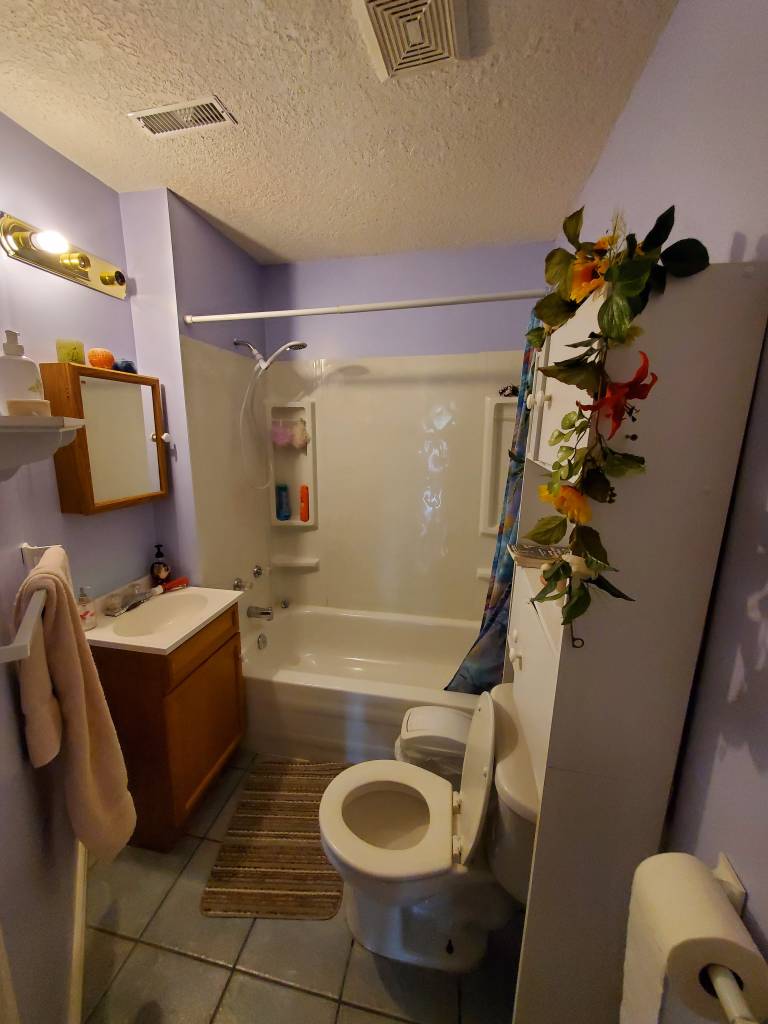
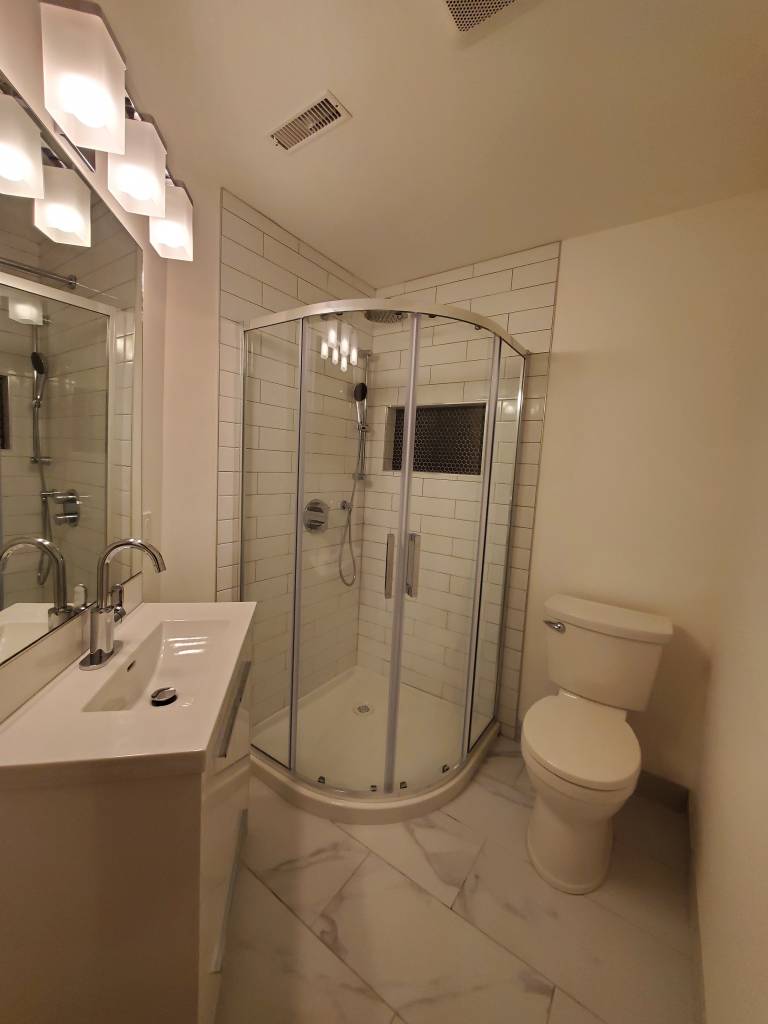
Before and after: a Niko Reno bathroom renovation that replaced the tub with a curved glass corner shower.
Learn more about our bathroom renovation services in Greater Victoria, or see more finished work on our before and after projects page.
Ready to Start?
If you’re thinking about a bathroom renovation and want a clear picture of what’s involved for your home, we’re happy to talk it through.
Contact Niko Reno to book a consultation. Homeowners in the Nanaimo area can find details on our Nanaimo bathroom renovations page.

